
Choosing the Right Dosage Form: Tablets, Capsules, Liquids or Injectables?
The same active ingredient can be delivered in many ways. Choosing the right dosage form affects how quickly the medicine acts, how stable it is, how easy it is for patients to take and how much it costs to manufacture.
Tablets
Tablets are the most widely used dosage form. They are stable, easy to pack and cost-effective at scale. Variants include film-coated, chewable, dispersible, effervescent and modified-release tablets.
Best for: stable APIs, chronic therapies and products needing controlled release.
Capsules
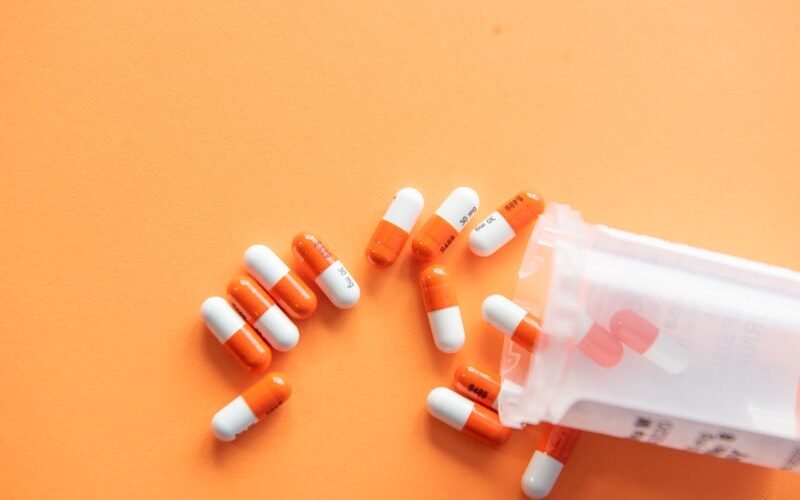
Hard gelatin or HPMC capsules can hold powders, pellets or granules, and soft-gel capsules hold liquids and oils. Capsules can mask taste and are often faster to develop than tablets.
Best for: taste-sensitive APIs, oil-based actives and nutraceuticals.
Oral liquids
Syrups, suspensions and solutions are easier for children and elderly patients to swallow and allow flexible dosing. They need careful work on taste, preservation and stability.
Best for: paediatric and geriatric use, and patients with swallowing difficulty.
Injectables
Injectables deliver the drug directly into the body for fast action or when the API cannot be absorbed orally. They require sterile manufacturing, either by aseptic processing or terminal sterilisation, which makes them more demanding to produce.
Best for: hospital use, peptides, biologics and emergency treatments.
Topicals
Creams, ointments and gels act locally on the skin and reduce systemic exposure.
Best for: dermatological and local pain-relief products.
Factors to consider
- Physical and chemical properties of the API
- Target patient group and convenience
- Required onset and duration of action
- Stability and shelf-life needs
- Manufacturing cost and available capacity
Not sure which form suits your product? Marigold Pharma’s formulation team can help you evaluate the options. Contact us to start the conversation.